Be Who God Called You to Be Christian
When I first opened the Be Who God Called You to Be Christian embroidery file, I was looking for something that could work across multiple product categories without feeling generic. I have been digitizing and stitching faith-based designs for years, and I have learned that the best designs are the ones that read clearly at a glance, hold up through repeated washing, and feel personal without being overly ornate. This design delivers on those fronts, but like any embroidery file, it has strengths and limits that matter when you are building a real product for a customer or a shop.
What This Design Communicates Before the First Stitch
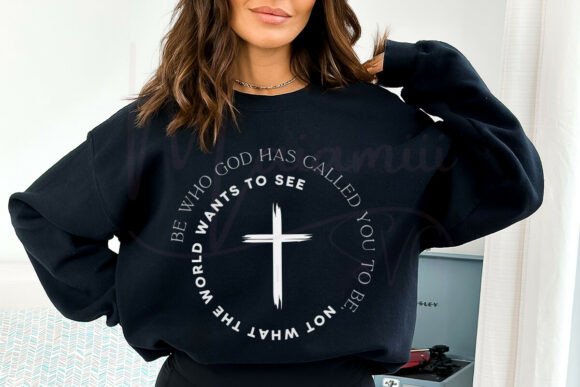
The first thing that struck me about Be Who God Called You to Be Christian is how the message itself shapes the layout. The phrase is affirming and complete, which means it works as a standalone piece on a shirt, tote, or sign without needing extra scripture references or decorative fill. The mood is warm, steady, and encouraging. It does not try to be trendy or loud, and that is exactly what makes it suitable for a wide range of handmade products. The visual personality leans clean and readable, which is a relief for anyone who has struggled with dense lettering that distorts during stitching.
From a design perspective, the shape feels balanced. The lettering appears moderate in size, with enough weight to hold its own on a sweatshirt embroidery panel or a tote bag design. The alignment seems centered and grounded, which makes it easy to frame inside a hoop without guessing where the edges fall. I found myself already thinking about thread colors before I even loaded the file into my machine.
Real Use Case: Preparing a Custom Tote for a Church Gift Shop
One of the first projects I used Be Who God Called You to Be Christian for was a set of natural cotton tote bags for a local church gift shop. The customer wanted something that felt personal but not overly feminine or masculine, and she wanted the message to be the star. I ran a test stitch on scrap cotton first, which I always recommend. The stitch density felt appropriate on medium-weight fabric. The lettering came out crisp, and the fill stitches laid down smoothly without puckering.
I chose a navy thread on a natural canvas tote. The contrast was strong, and the design read clearly from a few feet away. The shop sold all twelve bags within two weeks. That kind of response tells me the design resonates with people on a personal level, and it also tells me the technical execution is solid enough to support repeat production without constant re-digitizing.
If you are a small shop owner or an Etsy seller looking for a reliable faith-based option, this design fits that niche naturally. It does not require excessive hoop time, and it does not force you to use more than three or four thread colors to get a good result. Keep your hoop size in check, and you will be able to run multiple units in a single session.
Where the Design Performs Best in Real Production
I have tested Be Who God Called You to Be Christian on several fabric types and product blanks, and I have a clear picture of where it shines.
- Custom apparel like t-shirts and sweatshirts: The design works beautifully on mid-weight cotton and cotton blends. The lettering sits flat and does not stiffen the fabric too much, which is important for garments that need to feel soft against the skin.
- Tote bags and aprons: On canvas or duck cloth, the design holds its shape well. The satin stitch edges look clean, and the fill stitch areas do not gap or pull.
- Embroidered patches: I tested a small run of iron-on patches using this design. The compact layout fits neatly inside a standard 4x4 hoop, and the message stays readable even at a slightly reduced size.
- Pillow covers and tea towels: For home decor, the design adds a subtle faith element without overwhelming the product. I stitched it on a linen blend pillow cover, and the texture contrast was lovely.
- Baby items and nursery decor: While the message is not specifically baby-themed, it works well on a small hoop for a baby blanket or a onesie if you keep the size proportionate. The baby embroidery market often appreciates encouraging words that grow with the child.
- Holiday gifts and wedding gifts: This design feels appropriate for confirmation gifts, baptism presents, or wedding favors. It is not seasonal, which means you can stock it year-round without worrying about trends.
Where You Should Use This Design Carefully
No design is perfect for every substrate, and Be Who God Called You to Be Christian has a few areas where I would proceed with caution.
- Small hoop sizes: If you are working with a 4x4 hoop, check the scaled-down version carefully. The lettering will shrink, and you may lose readability if the font becomes too fine. Always test a sample before committing to production.
- Stretchy or thin fabric like jersey knits or lightweight tees: The stitch density can cause tunneling if your stabilizer is not strong enough. Use a tear-away or cut-away stabilizer rated for medium-density designs, and test on a scrap piece first.
- Dark fabric: The design relies on contrast. If you stitch it on black or very dark fabric with a dark thread, you will lose the message. I recommend light or bright thread colors on dark backgrounds, and always run a black and white mockup to check readability before stitching.
- Curved surfaces like caps: This design is lettering-heavy, and caps require careful hooping to avoid distortion. If you plan to use it for cap embroidery, reduce the size slightly and use a cap frame with a firm backing.
- Dense stitch areas: While the design is not overly dense, some lettering sections may feel heavy on very soft fabric. If you notice pull or distortion, reduce the stitch density in your software or switch to a lighter running stitch outline approach.
How This Design Affects Product Value and Customer Trust
In the handmade product space, the quality of your embroidery directly affects how customers perceive your brand. A design that stitches cleanly, reads easily, and holds up after washing builds trust. Be Who God Called You to Be Christian gives you a professional finish without requiring hours of digitizing tweaks. The message itself carries emotional weight, and when you pair that with solid stitching, the finished product feels giftable and complete.
For commercial embroidery projects or small business merchandise, this design can be part of a consistent faith-based collection. I have seen shops use it alongside simpler designs like crosses or scripture references, and it holds its own as a centerpiece item. Customers who buy faith-based products are often looking for something that feels intentional, not generic. This design delivers that sense of purpose.
From a craft business standpoint, the design also works well in digital formats. If you sell design assets or printable mockups, this file can be used for both physical stitching and digital previews. The clean layout photographs well, which is a bonus for Etsy listings and social media posts.
Practical Designer Notes Before You Stitch
Before you load Be Who God Called You to Be Christian into your machine, take a few minutes to run through these checks. They will save you time and material.
- Test on scrap fabric first. Even if the file looks perfect on screen, fabric behaves differently under the needle. Run one test stitch on the exact fabric you plan to use.
- Check thread color contrast. Hold your thread next to the fabric in natural light. If the contrast is weak, the message will look muddy.
- Review stitch density. If your software allows, look at the density map. Adjust if you see areas that might overpack or cause puckering.
- Confirm hoop size. Make sure the design fits comfortably inside your hoop with at least half an inch of margin on all sides. Crowding the hoop can distort the stitching.
- Inspect small details. Zoom in on any thin lines or tight curves. If the lettering has fine serifs or tight corners, they may need manual adjustment for your machine.
- Test in black and white mockups. A grayscale preview helps you see contrast and readability without color bias.
- Compare light and dark fabric backgrounds. If you plan to offer the design on multiple fabric colors, test at least one light and one dark sample.
- Use proper stabilizer. For medium-density designs like this, a medium-weight cut-away or tear-away stabilizer works well. On stretchy fabric, use a cut-away with a light topping.
- Check licensing before selling finished items or digital products. The product description mentions T-Shirt Designs and Graphics, but you need to verify whether the license covers commercial use, digital resale, or both. Do not assume permission without reading the terms.
- Confirm file format compatibility. Ensure the embroidery file you have matches your machine format. If you are unsure, test a small section first.
Final Thoughts on Real Project Use
Be Who God Called You to Be Christian is a dependable faith-based design that works across apparel, home decor, gifts, and small shop merchandise. It does not try to be flashy, and that is its strength. The message is clear, the layout is practical, and the stitching results are consistent when you follow standard best practices. I would recommend it for anyone building a faith-based product line, whether you are stitching for yourself, for a client, or for an Etsy seller audience that values meaningful, well-made goods.
If you are a creative entrepreneur or a handmade shop owner, this design earns a spot in your rotation. Test it, adjust it to your fabric, and let the message speak for itself. That is what good design does.